TMS for Depression
Overview
Depression can feel exhausting, isolating, and stubborn. If you have tried medication and therapy and still feel stuck, TMS may offer a more targeted approach. Breakthrough TMS provides FDA-cleared BrainsWay Deep TMS for Major Depressive Disorder (MDD) using protocols designed for patients who have not achieved enough improvement with standard care.
Common Depression Symptoms
Low mood, numbness, or irritability
Loss of interest or pleasure
Low energy, fatigue, or slowed thinking
Sleep changes (too much or too little)
Appetite or weight changes
Difficulty concentrating
Feeling hopeless or “not like yourself”
Why Deep TMS for Depression
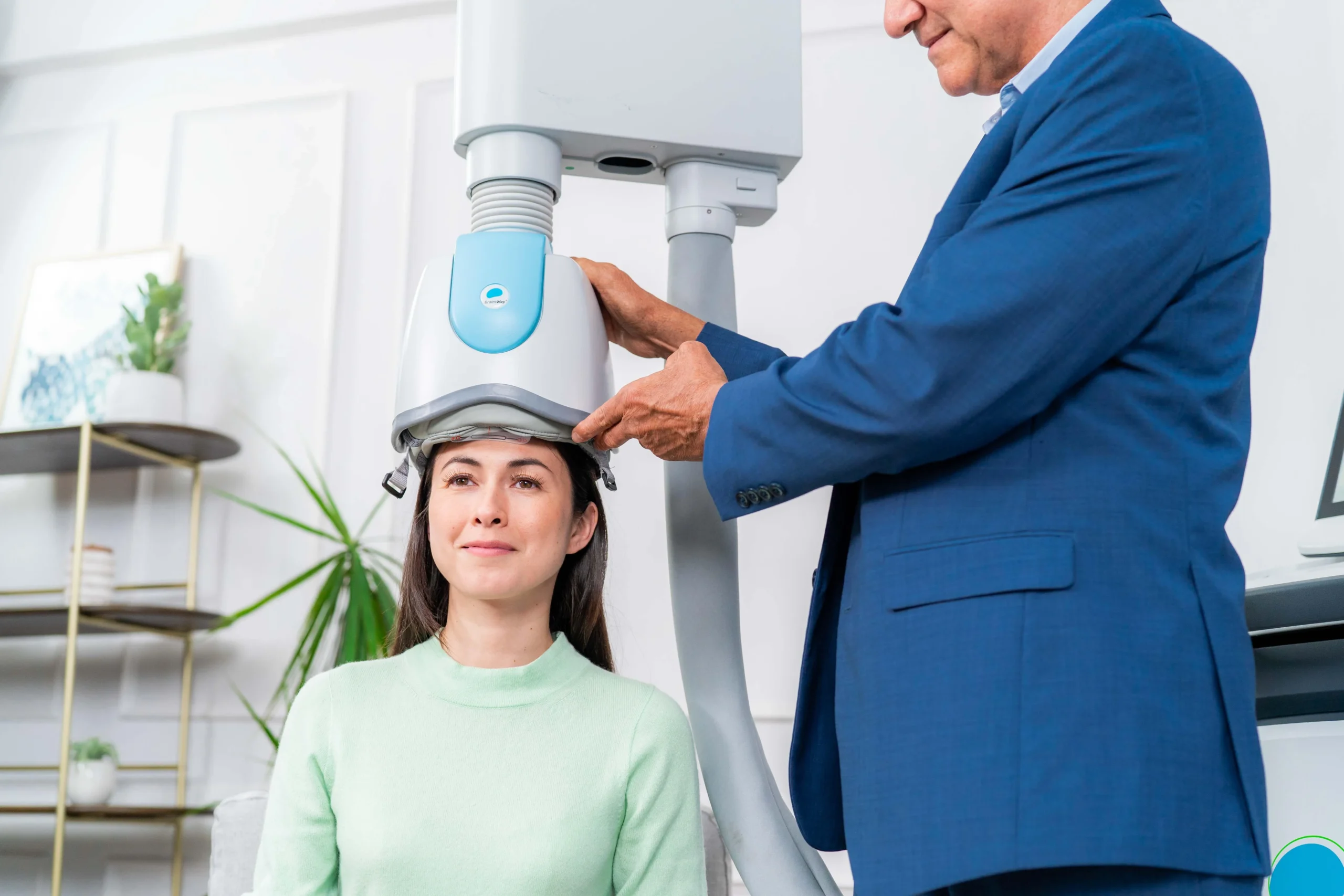
Deep TMS targets brain networks involved in mood regulation using specialized coils. Unlike medication, it is not systemic and does not affect your whole body chemistry. Treatment is performed while you are awake, without anesthesia, and most patients return to normal activities immediately.
What to Expect
Step 1: Consultation and screening
We review your history, symptoms, medications, and goals.
Step 2: Personalization (mapping)
We determine the best coil positioning and stimulation settings.
Step 3: Treatment course
You attend brief sessions on weekdays. Progress builds as sessions accumulate.
Are You a Candidate?
You may be a fit if you:
Have MDD and have not improved enough with medication or therapy
Cannot tolerate medication side effects
Prefer a non-drug approach
Are medically appropriate after screening
Safety & Side Effects
Most side effects are mild and short-term, commonly headache or scalp discomfort. We review risks and contraindications during your consultation.
Cost & Insurance
Many insurance plans cover TMS for depression. Our team can verify benefits and explain expected out-of-pocket costs before you start.
Depression FAQs
How soon will I notice improvement?
Some patients notice changes during the course, while others build improvement later. We track progress so you can see trends over time.
Can I keep taking my current medication?
Possibly. We will review your medication list and coordinate care as needed.
Do I need a ride home?
Typically, no. Most patients drive themselves.